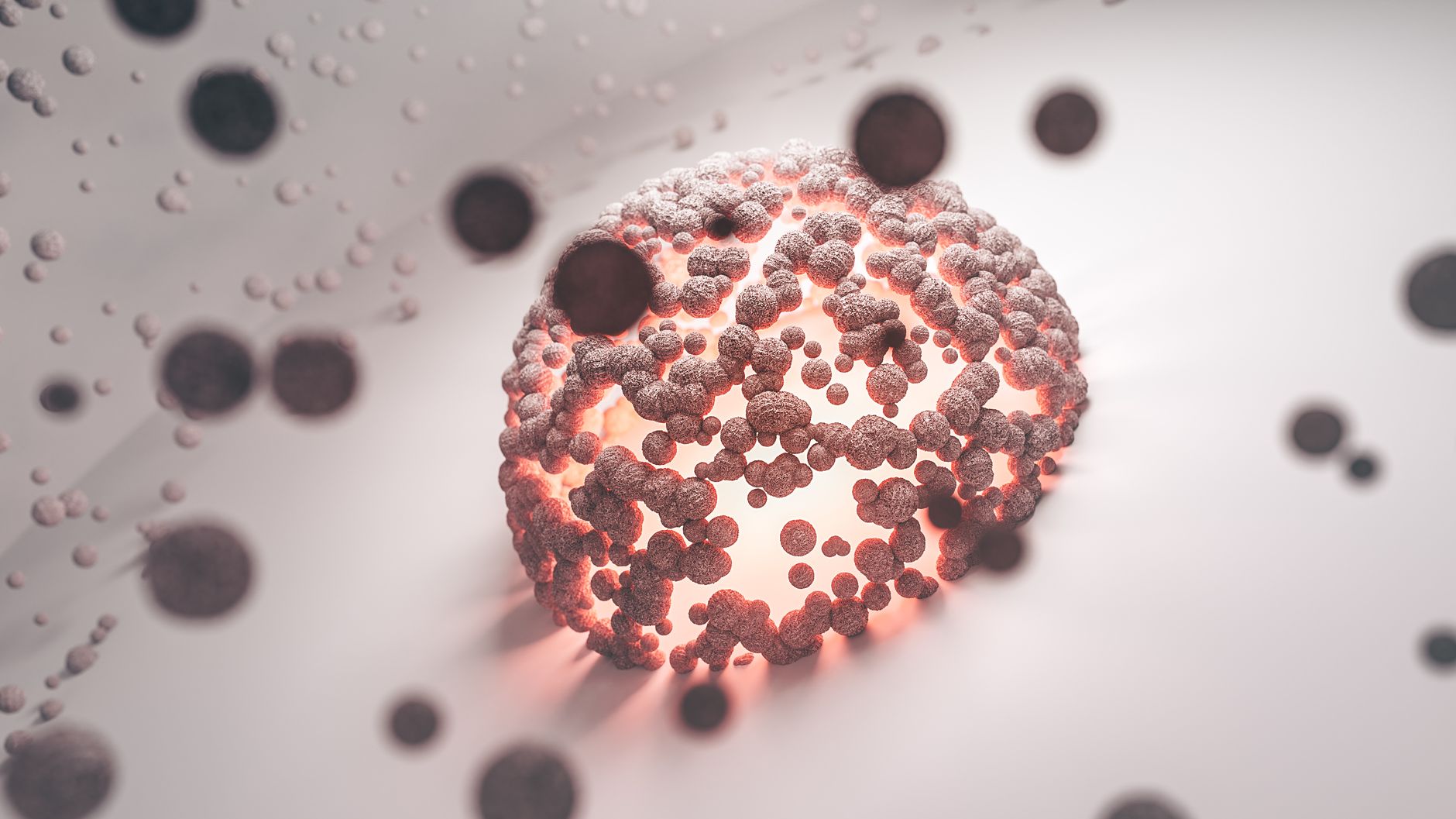
Blood cells stem cells research has unveiled a groundbreaking discovery: blood cells from an 80-year-old donor can transform into stem cells with a molecular age under 20.
Understanding Blood Cells and Stem Cells
Blood cells play a crucial role in the human body, responsible for transporting oxygen, fighting infections, and maintaining overall health. Among these, stem cells are particularly noteworthy due to their unique ability to develop into various types of blood cells and tissues. Recent research has highlighted a significant breakthrough in the field of regenerative medicine, specifically involving blood cells from older individuals.
A study revealed that blood cells from an 80-year-old donor could be reprogrammed into stem cells, exhibiting a molecular age of less than 20. This finding has profound implications for understanding the aging process and potential treatments for age-related diseases. The ability to rejuvenate old blood cells into young stem cells may open new avenues for therapies aimed at combating the effects of aging.
Some key points regarding blood cells and stem cells include:
- Rejuvenation: Stem cells derived from aged blood cells can regain youthful characteristics.
- Versatility: Stem cells can differentiate into various blood cell types, enhancing treatment options.
- Potential therapies: This breakthrough may lead to innovative strategies for tackling age-related health issues.
The Science Behind Age Reversal
The remarkable discovery surrounding blood cells and stem cells has opened new avenues in the fight against aging. Researchers have demonstrated that blood cells from an 80-year-old donor can be transformed into stem cells that exhibit a molecular age of under 20 years. This breakthrough has significant implications for regenerative medicine and age-related diseases.
The process involves reprogramming mature blood cells, utilizing advanced techniques that reset the cellular clock. By employing a combination of genetic factors and small molecules, scientists can effectively rejuvenate these cells, restoring their youthful properties. This transformation not only enhances the cells’ ability to regenerate but also improves their potential in treating various ailments often associated with aging.
Key benefits of this research include:
- Increased Lifespan of Cells: Young stem cells can potentially replace damaged tissues.
- Reduction of Age-Related Diseases: Rejuvenated cells may lower the risks linked to age-related illnesses.
- Enhanced Regenerative Capacity: Younger blood cells can aid in more effective healing processes.
This pioneering work underscores the profound relationship between blood cells and stem cells, paving the way for innovative therapies aimed at reversing the effects of aging.
Blood Cells Stem Cells: What This Means for Aging
The recent breakthrough in the field of regenerative medicine highlights the potential of blood cells stem cells in combating the effects of aging. Researchers have successfully transformed blood cells from an 80-year-old donor into stem cells that exhibit characteristics of much younger cells, effectively reversing their molecular age to under 20 years. This remarkable innovation opens new avenues for treating age-related diseases and improving overall health in the elderly.
By utilizing blood cells stem cells, scientists can harness the regenerative potential of these cells to repair damaged tissues and restore functionality to aging organs. This process not only sheds light on the biological mechanisms of aging but also provides a promising strategy for enhancing longevity and vitality.
As the implications of this research unfold, it raises several important questions:
- How can these younger stem cells be effectively integrated into existing medical therapies?
- What are the long-term effects of using reprogrammed blood cells in patients?
- Will this breakthrough lead to the development of personalized medicine approaches for aging individuals?
With continued research, blood cells stem cells may very well become a cornerstone in the fight against the aging process.
Future Implications of Stem Cell Research
The advancements in stem cell research bring promising implications for the future of regenerative medicine and aging. As scientists continue to explore the potential of blood cells stem cells, their ability to rejuvenate aging tissues opens new avenues for treatment.
One of the most exciting aspects of this research is the possibility of reversing age-related degeneration. By converting aged blood cells into stem cells, researchers have demonstrated that it is feasible to restore youthful characteristics, as evidenced by the transformation of blood cells from an 80-year-old donor into stem cells with a molecular age below 20.
This breakthrough not only highlights the remarkable plasticity of blood cells but also suggests that stem cells could play a crucial role in combating age-related diseases. Future studies may focus on:
- Therapies for degenerative diseases: Targeting conditions like Alzheimer’s and Parkinson’s.
- Personalized medicine: Tailoring treatments based on an individual’s cellular age.
- Enhanced longevity: Potentially extending healthy lifespan through rejuvenation techniques.
As research progresses, the integration of blood cells stem cells into clinical practice could redefine our approach to aging and health.
Recent studies have shown that blood cells stem cells can rejuvenate aging tissues, offering hope for age-related diseases. The potential of blood cells stem cells in regenerative medicine continues to expand as researchers explore their capabilities.
Photo by Marek Piwnicki on Pexels
Read the original
Apple TV 4K Vintage: The Best Model to Upgrade Now · Fitbit Edge battery replacement: Easy DIY for users · Is the Enterprise AI Platform the Best Solution for Businesses?