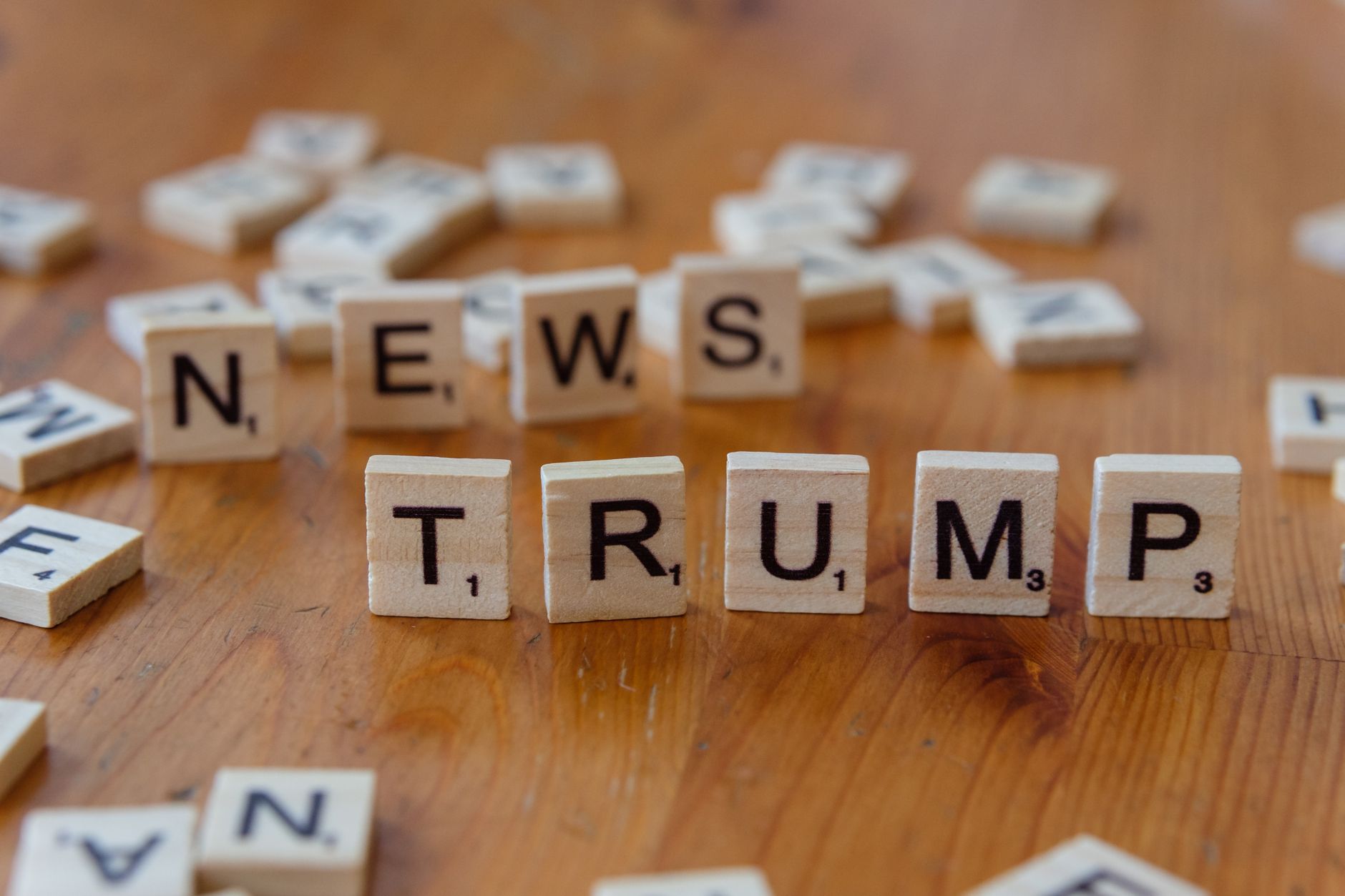
Trump AI policy has become a focal point of debate as Democrats demand answers regarding its implications amid recent controversies.
Introduction to Trump AI policy
The debate surrounding the Trump AI policy has intensified as concerns grow about its potential implications for America’s future. With advancements in artificial intelligence reshaping various sectors, the policy is increasingly under scrutiny from both political and public perspectives.
Recently, Democrats have raised alarms, demanding clarity on how Trump’s administration plans to regulate AI technology. Central to this discussion are fears that insufficient oversight could lead to significant risks, including:
- Job Losses: Automation driven by AI could displace millions of workers across industries.
- Security Threats: The use of AI in cyber warfare and surveillance raises national security concerns.
- Ethical Dilemmas: The lack of guidelines might result in biased algorithms and decision-making.
Moreover, the controversy surrounding Nvidia’s CEO’s alleged affair with a Chinese spy adds a layer of complexity to the discussion. Critics argue that Trump’s AI policy may not adequately address the risks posed by foreign influence in technological advancements. As the dialogue evolves, the ramifications of these policies could significantly affect America’s socioeconomic landscape.
Democrats’ concerns about AI
Democrats are increasingly voicing their concerns regarding the implications of the Trump AI policy, especially in light of recent controversies surrounding the actions of prominent tech leaders. The party is particularly alarmed by the potential for artificial intelligence to exacerbate existing inequalities and threaten national security.
Key points of concern include:
- Job Displacement: Many Democrats argue that the rapid advancement of AI technologies could lead to significant job losses, particularly in industries reliant on manual labor.
- Data Privacy: The lack of robust regulations surrounding AI raises fears about how personal data may be exploited or mishandled.
- National Security: The involvement of foreign entities, especially in light of recent allegations regarding Nvidia’s CEO, has raised red flags about potential espionage or influence operations.
- Ethical Considerations: Concerns about bias in AI algorithms and their impact on marginalized communities have prompted calls for greater oversight.
As discussions around the Trump AI policy continue, Democrats are demanding more transparency and accountability from the administration to ensure that the future of AI benefits all Americans and safeguards their interests.
Nvidia CEO’s controversial affair
In recent developments, the controversy surrounding Nvidia CEO Jensen Huang has raised eyebrows, particularly in the context of Trump AI policy. Allegations have surfaced regarding Huang’s affair with an alleged Chinese spy, prompting concerns among lawmakers about potential security risks associated with AI technologies.
Democrats are calling for greater transparency and accountability in the administration’s approach to artificial intelligence. They argue that the intertwining of personal relationships and business partnerships could lead to compromises in national security, especially given the sensitive nature of AI advancements.
As AI continues to shape various sectors, the implications of this affair are far-reaching. The potential for foreign influence in key technology companies has sparked fears that Trump’s AI policy may inadvertently jeopardize American interests.
In light of these revelations, several key points have emerged:
- Security Risks: The relationship raises concerns about data security and espionage.
- Policy Scrutiny: Increased calls for oversight of AI policies to protect national interests.
- Public Trust: Erosion of confidence in leadership’s ability to manage AI responsibly.
The intersection of personal matters and public policy continues to fuel debate about the future of AI in America.
Implications for US-China relations
The implications of Trump’s AI policy for US-China relations are profound and complex. As the race for AI dominance intensifies, the potential for increased tensions between the two nations rises significantly. Key areas of concern include:
- Technological Rivalry: Trump’s AI policy may accelerate competition in crucial technological sectors, pushing China to invest more aggressively in its own AI capabilities to keep pace.
- Intellectual Property Theft: There are fears that inadequate safeguards in AI technology could lead to heightened incidents of intellectual property theft, further straining relations.
- Trade Wars: With AI becoming a cornerstone of economic policy, tariffs and sanctions related to technology could escalate, reminiscent of the previous trade wars.
- Military Implications: The militarization of AI could lead to a new arms race, as both countries seek to harness AI for defense purposes, potentially destabilizing the region.
As stakeholders react to Trump’s AI policy, it is clear that the outcomes will not only affect the United States but also reshape the dynamics of US-China relations for years to come.
Future of AI regulation in America
The future of AI regulation in America is becoming increasingly uncertain, particularly in the wake of the Trump AI policy. As the nation grapples with the rapid advancement of artificial intelligence technologies, the need for a comprehensive regulatory framework has never been more pressing. Many experts argue that without clear guidelines, the risks associated with AI could escalate, leading to potential threats to national security, privacy, and economic stability.
In response to these concerns, several lawmakers are calling for a bipartisan approach to AI governance. They emphasize the importance of establishing ethical standards and safety measures to prevent misuse of AI technologies. However, the current political landscape complicates these efforts, as partisan divisions hinder collaborative solutions.
Additionally, companies like Nvidia are at the center of this debate, facing scrutiny over their relationships with foreign entities and the implications for American innovation. As discussions continue, the Trump AI policy may shape the trajectory of regulatory measures moving forward. Stakeholders must engage in meaningful dialogue to balance innovation with necessary oversight, ultimately determining how America will navigate the evolving landscape of artificial intelligence.
The Trump AI policy has raised concerns among experts about its potential to widen the gap between technological advancement and ethical standards. Critics argue that the Trump AI policy could lead to significant economic and social repercussions for future generations.
Photo by Markus Winkler on Pexels
Where this came from
Related stories
PlugShare app updates: Best New Features for iPhone Users · Honkai Star Rail release time: The Best Guide for Players · GEBE fuel tariff structure: A Clear Update from the Minister