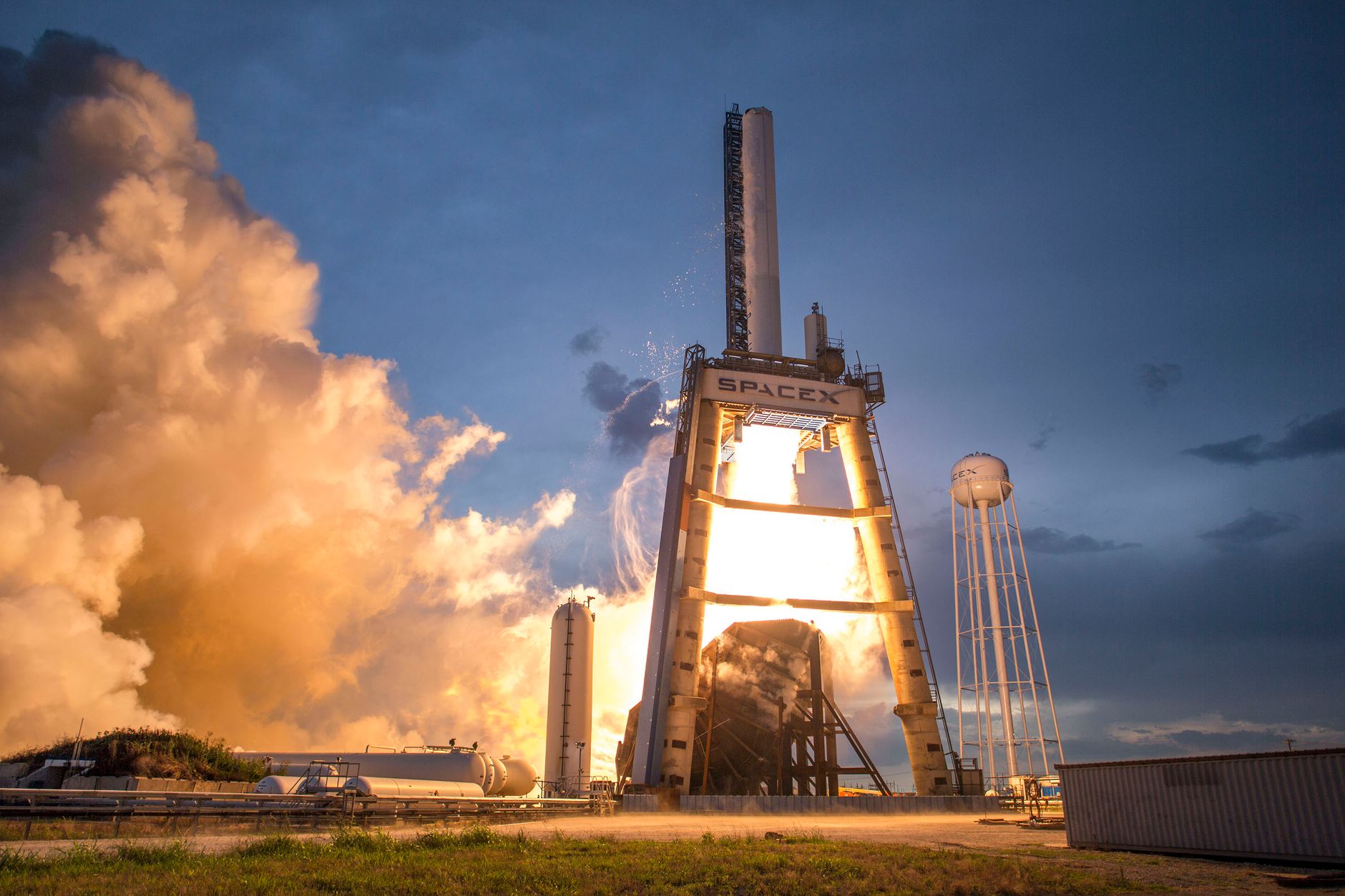
The SpaceX rival rocket failure has resulted in the loss of 40 Amazon satellites, marking a significant setback for the company and the broader space sector.
What Caused the Rocket Failure?
The recent failure of a SpaceX rival rocket has raised significant concerns within the aerospace community. Initial investigations suggest that a combination of technical and environmental factors led to the catastrophic event.
Key causes identified include:
- Engine Malfunction: Reports indicate that the rocket’s main engine experienced an unexpected failure during launch, which compromised its ascent trajectory.
- Software Glitch: A software error was detected that may have contributed to the inability to correct the rocket’s flight path.
- Weather Conditions: Adverse weather conditions at the launch site may have played a role, with high winds potentially affecting the rocket’s stability.
The aftermath of this SpaceX rival rocket failure has led to the destruction of approximately 40 Amazon satellites, dealing a significant blow to the company’s plans for global internet coverage. Analysts are now questioning the future of the rival company in an increasingly competitive space industry.
Impact on Amazon’s Satellite Plans
The recent SpaceX rival rocket failure has sent shockwaves through the aerospace industry, particularly impacting Amazon’s ambitious satellite plans. The failed launch resulted in the destruction of 40 satellites intended for Amazon’s Project Kuiper, which aims to provide global internet coverage.
Experts are concerned that this setback could delay Amazon’s timeline for deploying its satellite constellation. The loss of such a significant number of satellites not only affects immediate launch schedules but also raises questions about the reliability of alternative launch providers.
In light of this incident, Amazon may need to reassess its partnerships and consider investing in additional launch capabilities. There are several potential implications:
- Increased costs due to the need for replacement satellites.
- Potential delays in service rollout for customers awaiting satellite internet access.
- A reassessment of risk management strategies in launching future satellites.
As the space race intensifies, the repercussions of this failure may extend beyond Amazon, impacting rival companies and their future endeavors.
Comparing SpaceX and Its Rivals
In the competitive landscape of space exploration, SpaceX has consistently set the standard for success with its innovative technology and reliable launches. However, recent events have drawn attention to its rivals, particularly following the SpaceX rival rocket failure that destroyed 40 Amazon satellites. This incident has raised questions about the viability of competing companies in the burgeoning satellite market.
While SpaceX boasts a track record of successful missions, other companies have struggled to catch up. Key differences include:
- Technology: SpaceX’s reusable rocket technology has revolutionized the industry, allowing for reduced costs and increased launch frequency.
- Funding: With substantial backing from investors, SpaceX has been able to invest heavily in research and development.
- Experience: Having completed numerous missions, SpaceX has built a reputation for reliability, which contrasts sharply with the setbacks faced by its rivals.
As the space race intensifies, the implications of this failure on the future of competing launch providers remain to be seen.
Future of Rocket Launches After Setbacks
The recent failure of a SpaceX rival rocket has raised significant concerns about the future of rocket launches, particularly in light of the disastrous loss of 40 Amazon satellites. As various companies enter the competitive space industry, setbacks such as this remind stakeholders of the inherent risks involved in space exploration.
Experts believe that while failures can be detrimental, they also provide invaluable lessons for improving safety and reliability in future missions. Companies may need to reevaluate their launch strategies and invest more in testing technologies before attempting full-scale missions.
In response to the SpaceX rival rocket failure, industry leaders are calling for enhanced collaboration among competitors to share insights and develop best practices. This could foster a safer environment for both satellite deployment and crewed missions.
As the space race continues, the path forward may be challenging, but resilience and innovation will be key to overcoming obstacles and achieving future successes in the ever-evolving aerospace sector.
The recent SpaceX rival rocket failure has raised questions about the future of private space exploration. As investigations continue, many are left wondering if this SpaceX rival rocket failure will set back the industry significantly.
Photo by SpaceX on Pexels
Where this came from
Related reading
AI Subversion Investigation: Is It the Right Approach for Safety? · NVIDIA CEO resignation: Is it the worst news for RTX GPUs? · GTA 6 launch impact: Is it the worst for Israel’s economy?