ocean animals frozen solid have adapted to survive extreme temperatures. This remarkable ability showcases the resilience of life in our oceans.
Introduction to Frozen Ocean Animals
The ocean is home to a remarkable array of creatures, some of which possess the extraordinary ability to survive extreme conditions, including being frozen solid. These ocean animals frozen solid showcase nature’s ingenuity, adapting to environments that would be lethal to most other life forms.
Among these resilient species are:
- Antarctic icefish: These unique fish have specialized proteins that prevent their blood from freezing.
- Wood frogs: Although primarily terrestrial, they spend part of their lives in aquatic environments and can endure freezing temperatures by entering a state of suspended animation.
- Sea turtles: Certain species can tolerate cold water and even remain dormant under ice.
- Brine shrimp: Known for their ability to survive desiccation and extreme cold, they can enter a state of cryptobiosis.
Understanding these adaptations not only fascinates scientists but also highlights the resilience of life in our oceans.
How Do Some Animals Survive Freezing?
Many ocean animals frozen solid possess remarkable adaptations that allow them to survive extreme cold. These adaptations include:
- Antifreeze proteins: Some species produce proteins that lower the freezing point of their bodily fluids, preventing ice crystal formation.
- Cryoprotection: Certain organisms can tolerate ice forming within their cells by replacing water with other substances, such as glycerol, which protects cellular structures.
- Metabolic adjustments: When temperatures drop, many marine animals slow their metabolism significantly, entering a state similar to hibernation to conserve energy.
These survival strategies enable various ocean animals frozen solid to endure frigid conditions that would be lethal to most other species. Research continues to uncover the secrets behind these remarkable adaptations, offering insights into the resilience of life in extreme environments.
Top Ocean Species That Withstand Freezing
Among the remarkable creatures of the sea, several species have adapted to survive extreme cold, showcasing their resilience in the face of harsh conditions. These top ocean species that withstand freezing temperatures often exhibit unique biological traits that enable them to endure being frozen solid.
- Antarctic Icefish: Known for their antifreeze proteins, these fish can thrive in icy waters without the risk of freezing.
- Arctic Cod: This species produces natural antifreeze compounds, allowing it to remain active even in sub-zero temperatures.
- Wood Frog: While not a fish, it is worth noting that this amphibian can survive being frozen solid and thawed without injury.
- Sea Spider: Resilient in frigid environments, they can endure freezing conditions by slowing their metabolic processes.
These extraordinary adaptations not only highlight the wonders of evolution but also the incredible ability of ocean animals frozen solid to thrive in environments that would be lethal to most other species.
The Science Behind Cryobiology
Cryobiology is the study of the effects of low temperatures on living organisms. This fascinating field reveals how certain ocean animals frozen solid can endure extreme conditions that would be lethal to most life forms. Scientists have discovered that these resilient species possess unique biological adaptations that enable them to survive freezing temperatures.
One key adaptation is the production of antifreeze proteins, which prevent ice crystals from forming within their cells. These proteins act like a protective shield, allowing the animals to maintain cellular integrity during freezing. Additionally, some species can enter a state of suspended animation, slowing down their metabolic rates to conserve energy until temperatures rise again.
Understanding these mechanisms not only sheds light on the incredible resilience of ocean animals frozen solid but also has implications for fields such as medicine and cryopreservation.
Impact of Climate Change on Marine Life
The impact of climate change on marine life is profound and multifaceted, affecting ecosystems, species distribution, and survival strategies. As global temperatures rise, ocean temperatures fluctuate, creating challenging environments for marine species. Some species, particularly those that can endure extreme conditions, such as ocean animals frozen solid, may find themselves at a disadvantage as their habitats change.
Among the most affected are polar species, which rely on stable ice coverage for breeding and feeding. Additionally, ocean acidification, caused by rising CO2 levels, threatens the delicate balance of marine ecosystems.
As the oceans warm, stressors like habitat loss and altered food webs may lead to declines in populations, making it increasingly difficult for many marine animals to survive. The resilience of certain species may provide insights into adapting to these new conditions, but the overall outlook remains troubling.
Future Research on Frozen Ocean Creatures
As researchers continue to explore the mysteries of frozen ocean animals, future studies aim to uncover the underlying mechanisms that allow these creatures to survive extreme conditions. Investigating the genetic adaptations and biochemical processes that enable these animals to withstand freezing temperatures could lead to significant breakthroughs in various fields.
Potential areas of focus include:
- Genetic Analysis: Understanding the genes responsible for antifreeze proteins and other survival traits.
- Ecological Impact: Studying how changes in ocean temperatures affect the habitats of these resilient species.
- Biotechnology Applications: Exploring how these adaptations can inspire advancements in cryopreservation techniques in medicine.
By delving deeper into the biology of ocean animals frozen solid, scientists can not only enhance our understanding of life in extreme environments but also contribute to conserving marine biodiversity.
Conclusion: The Resilience of Ocean Animals
In conclusion, the resilience of ocean animals is truly remarkable, especially when considering how some can endure extreme conditions, such as being frozen solid. These species have evolved unique adaptations that allow them to survive and thrive in frigid environments, showcasing the incredible diversity of life in our oceans.
Understanding the mechanisms behind their survival not only highlights the wonders of nature but also underscores the importance of conserving these habitats in the face of climate change. As we continue to explore and study these extraordinary creatures, it becomes increasingly clear that the ability to withstand freezing is just one example of the many adaptations that ocean animals have developed over millennia.
Future research will undoubtedly shed more light on the secrets of these resilient beings and could even inspire innovations in biotechnology and medicine, benefiting both humans and the ecosystems we cherish.
Researchers have discovered that certain ocean animals frozen solid can survive extreme temperatures for extended periods. These remarkable adaptations allow ocean animals frozen solid to endure harsh conditions that would be lethal to most other species.
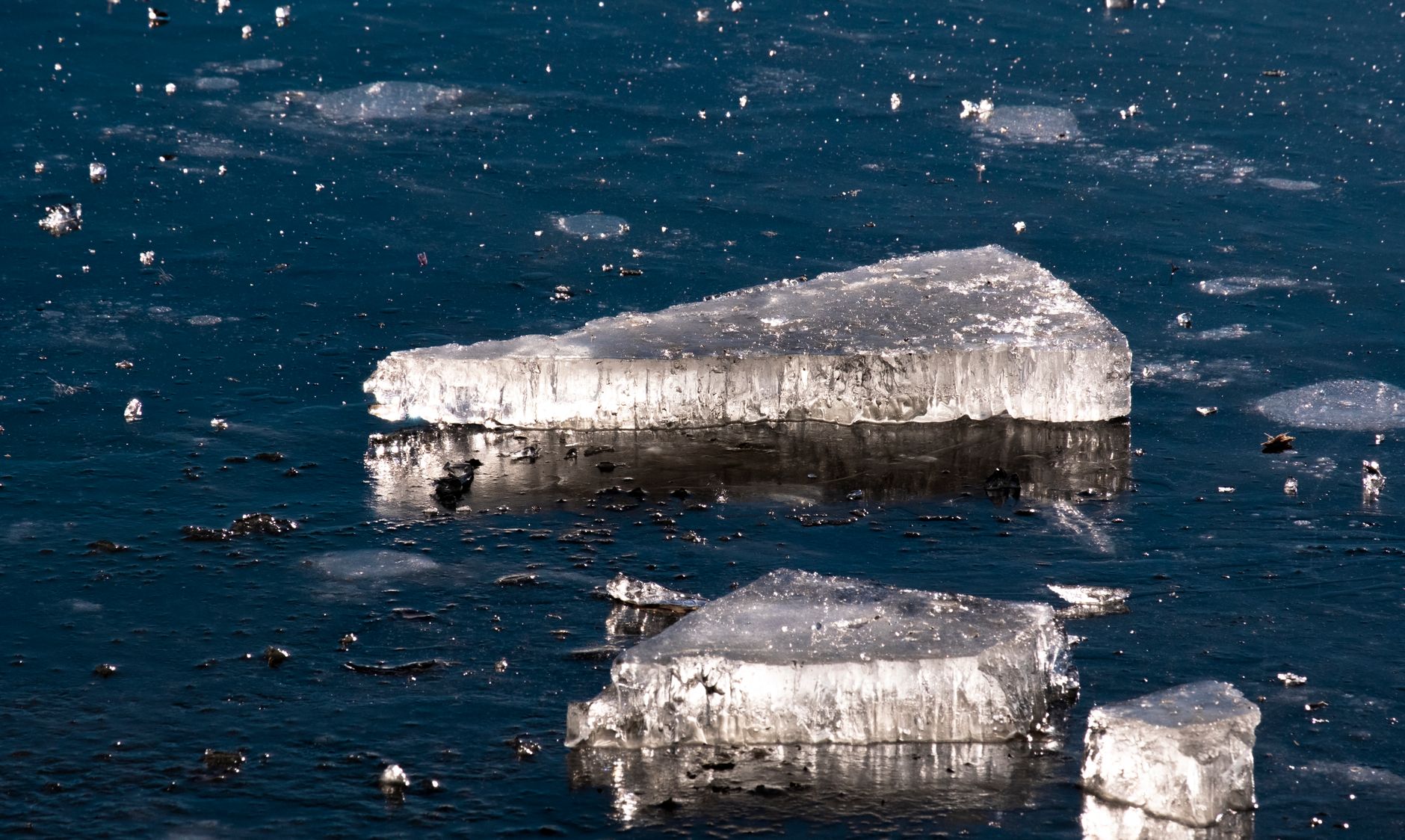
Photo by Star Zhang on Pexels