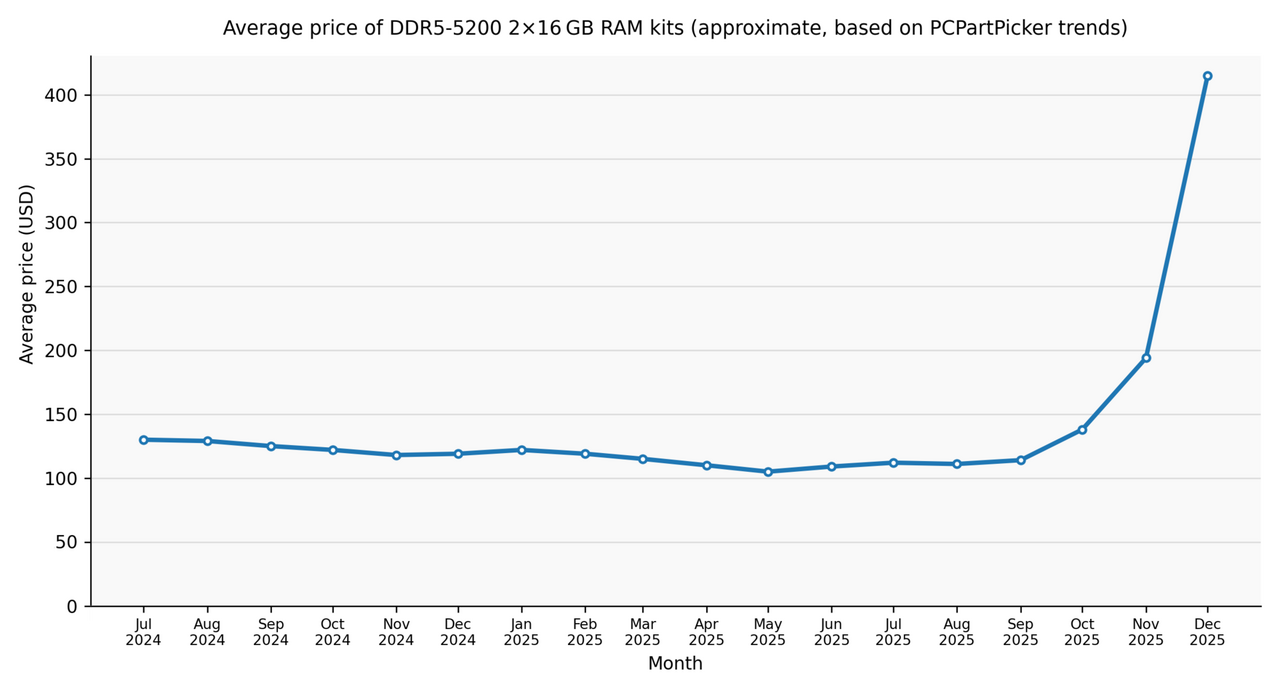
The memory chip shortage is significantly affecting the tech industry, with PC prices rising by 17% in 2026. Gartner’s latest report highlights the ongoing challenges manufacturers face.
Understanding the Memory Chip Shortage
The ongoing memory chip shortage has significantly impacted various sectors, with the most notable effects seen in the personal computer market. According to recent reports, the shortage has been exacerbated by a combination of supply chain disruptions and increased demand for electronic devices.
Industry analysts predict that PC prices will rise by as much as 17% by 2026 due to these challenges. This surge is primarily attributed to the limited availability of memory chips, which are critical components in modern computing devices.
As manufacturers struggle to keep up with demand, consumers and businesses alike are feeling the financial strain. The following factors contribute to the ongoing crisis:
- Increased remote work and online education.
- Global semiconductor supply chain issues.
- Natural disasters affecting production facilities.
Impact on Laptop Prices
The ongoing memory chip shortage has led to significant increases in laptop prices, making it increasingly difficult for consumers to find affordable options. According to analysts, the average price of laptops has surged, reflecting the broader challenges in the semiconductor market.
Key factors contributing to this rise in prices include:
- Increased production costs due to limited chip availability
- Supply chain disruptions that have affected manufacturers
- Higher demand for remote work and online education solutions
As a result, many buyers are facing price hikes of up to 17% for laptops, further exacerbating the affordability crisis in the tech industry. With these trends expected to continue, consumers may need to reconsider their purchasing plans for the foreseeable future.
Gartner’s Insights on PC Costs
According to recent insights from Gartner, the ongoing memory chip shortage is significantly affecting PC prices. The research firm predicts a staggering increase of 17% in the average cost of personal computers by 2026, a direct consequence of the supply chain disruptions. This surge in prices is attributed to several factors:
- Increased Demand: The rise in remote work and online education has intensified the need for PCs.
- Manufacturing Delays: Production hurdles in semiconductor manufacturing have slowed the supply of memory chips.
- Global Supply Chain Issues: Ongoing geopolitical tensions and natural disasters have further complicated logistics.
Gartner emphasizes that unless these challenges are addressed, consumers can expect to pay significantly more for PCs in the near future.
Future Predictions for Tech Industry
As the memory chip shortage continues to affect the tech industry, experts predict significant changes in the market landscape. According to recent forecasts, prices for personal computers are expected to rise by 17% by 2026, primarily due to the ongoing supply constraints. Industry analysts emphasize that this situation may persist as manufacturers struggle to keep up with the increasing demand for advanced memory solutions.
In addition to rising prices, the shortage could lead to delayed product launches and limited availability of high-performance PCs. This scenario is likely to push consumers toward alternative options, such as refurbished machines or cloud computing services.
Overall, the memory chip shortage is poised to reshape purchasing behaviors and investment strategies, making it a crucial factor for both consumers and businesses moving forward.
via Wikimedia Commons