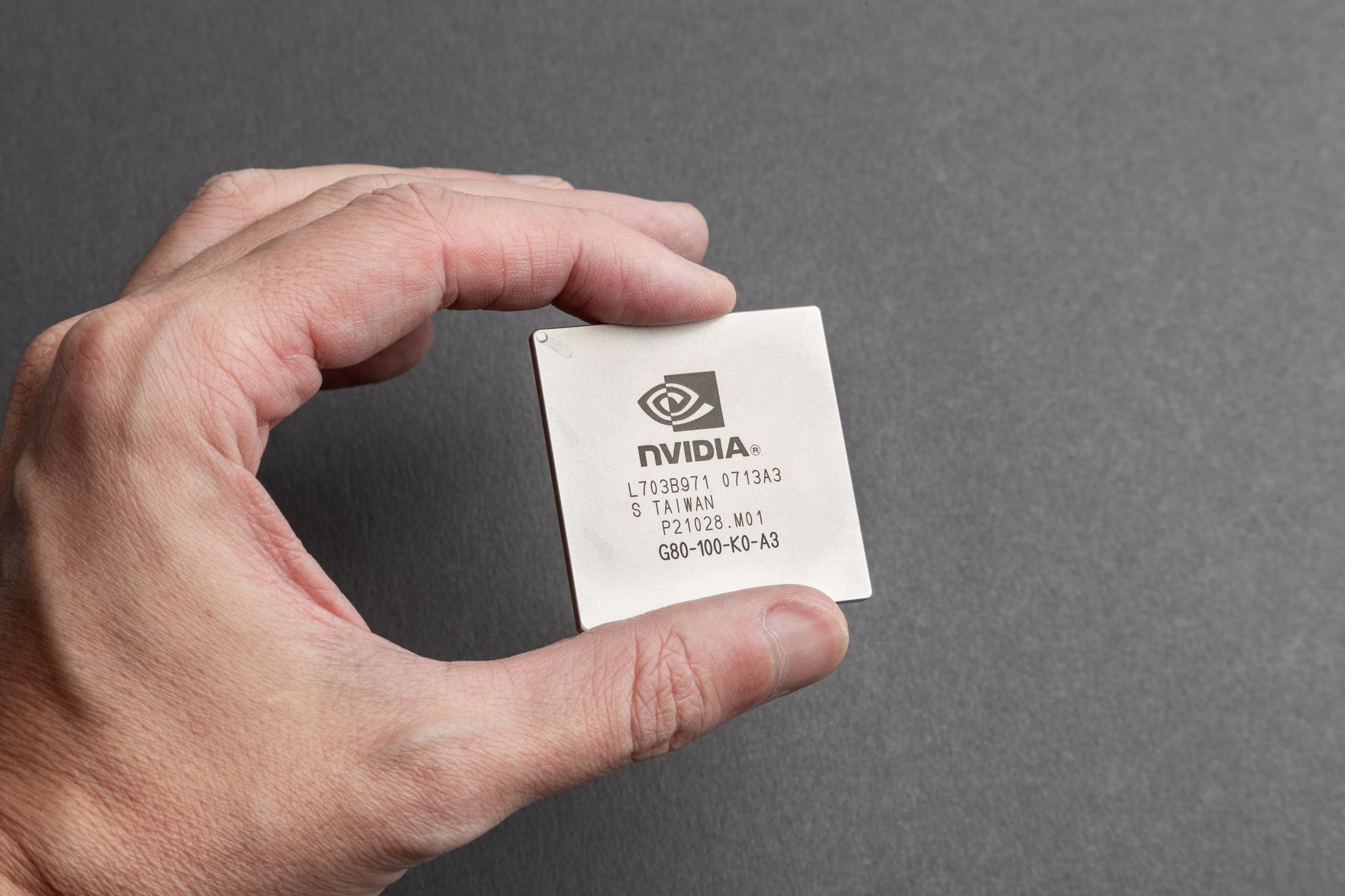
Nvidia chips have prompted Microsoft to end the Oracle AI cloud deal, highlighting significant challenges in the AI business landscape.
Overview of the Nvidia Chips Issue
The recent decision by Microsoft to terminate its Oracle AI Cloud deal has raised significant concerns in the tech industry. This shift is primarily attributed to the performance issues associated with outdated Nvidia chips. As companies increasingly rely on advanced artificial intelligence capabilities, the need for cutting-edge hardware has become critical.
Oracle’s AI initiatives are particularly vulnerable due to the reliance on these aging Nvidia chips. Industry analysts emphasize that the lack of up-to-date processing technology may hinder Oracle’s ability to compete effectively in the cloud market. The implications of this situation are profound, with potential repercussions for both Oracle and its partners.
Key points of concern include:
- Performance Limitations: Outdated chips can lead to slower processing speeds and reduced efficiency.
- Competitive Disadvantage: Rivals utilizing the latest technology may outperform Oracle in AI-driven applications.
- Market Confidence: Stakeholder confidence could wane as the future of Oracle’s AI capabilities comes into question.
In summary, the Nvidia chips issue poses a serious challenge for Oracle’s AI ambitions in the competitive cloud landscape.
Impact on Microsoft and Oracle
The impact of outdated Nvidia chips on the Oracle AI Cloud deal has raised significant concerns among industry analysts, particularly regarding competitors like Microsoft. As Oracle struggles to keep pace with evolving technology, Microsoft has taken proactive steps to mitigate risks associated with the reliance on older hardware.
Several key factors highlight the ramifications of this situation:
- Increased Competition: With Microsoft capitalizing on more advanced AI solutions, Oracle’s position in the cloud market could be jeopardized.
- Client Retention: Companies may reconsider their cloud partnerships, favoring providers that leverage the latest Nvidia chips for enhanced performance and efficiency.
- Innovation Stagnation: The inability to access cutting-edge technology could hinder Oracle’s ability to innovate, making it less attractive to potential clients.
As the situation unfolds, stakeholders will be closely monitoring how Oracle responds to the challenges posed by Nvidia chips and their implications for its AI cloud offerings. The outcome will undoubtedly shape the competitive landscape in the technology sector moving forward.
Future of AI Cloud Partnerships
The future of AI cloud partnerships is increasingly uncertain as companies reassess their reliance on outdated Nvidia chips. The recent decision by Microsoft to terminate its Oracle AI Cloud deal highlights the growing concerns over performance and efficiency in AI applications. As firms strive to stay competitive in the fast-paced tech landscape, the quality of hardware becomes paramount.
Several factors are influencing this shift:
- Performance Demands: As AI models become more complex, the need for advanced processing capabilities grows. Outdated chips may hinder innovation and scalability.
- Cost Efficiency: Companies are re-evaluating their partnerships to ensure that they are not only meeting performance standards but also managing costs effectively.
- Technological Advancements: The rapid evolution of AI technologies necessitates constant upgrades to hardware, pushing companies to seek alternatives that offer the latest advancements.
With Oracle AI facing challenges stemming from reliance on Nvidia chips, it remains to be seen how this will affect future collaborations in the AI cloud space.
Market Reactions to the Deal
Market reactions to the recent news surrounding Nvidia chips and the Oracle AI cloud deal have been mixed, reflecting concerns among investors and analysts alike. Following the announcement that Microsoft would terminate its partnership with Oracle due to outdated Nvidia chips, shares of both companies experienced significant fluctuations.
Investors are particularly worried about the ramifications this decision could have on Oracle’s growth prospects in the AI sector. The reliance on Nvidia chips for superior computational power is critical for AI applications, and without access to cutting-edge technology, Oracle risks falling behind competitors in the rapidly evolving landscape of artificial intelligence.
Some market analysts highlighted that:
- Investor Sentiment: Concerns over Oracle’s future profitability have led to a cautious approach among investors.
- Competitor Advances: Rivals are expected to capitalize on Oracle’s setbacks, particularly those with access to more advanced Nvidia chips.
- Long-term Implications: The deal’s collapse may signal broader issues in AI cloud partnerships moving forward.
In summary, the fallout from the Nvidia chips situation continues to reverberate through the market, leaving Oracle to navigate significant challenges ahead.
Expert Opinions on AI Technology Trends
In light of recent developments concerning the outdated Nvidia chips, experts are weighing in on potential ramifications for Oracle’s AI cloud initiatives. The technological landscape is evolving rapidly, and many analysts are concerned about how these limitations might hinder Oracle’s competitiveness in the AI domain.
According to Dr. Lisa Timmons, a technology analyst at Tech Insights, “The performance bottlenecks caused by older Nvidia chips could significantly disrupt Oracle’s AI cloud capabilities, making it harder for them to attract new customers.”
Industry expert Mark Johnson emphasized the importance of staying ahead in AI technology trends, stating, “Companies reliant on outdated hardware may find themselves unable to implement the latest AI innovations, which could stifle their growth.”
Moreover, Sarah Lee, a cloud computing strategist, noted that “The reliance on Nvidia chips can be a double-edged sword; while they are powerful, any delay in upgrades can lead to missed opportunities in the competitive AI landscape.”
As the situation unfolds, the focus on optimizing Oracle’s AI cloud strategy will be crucial for maintaining relevance in an increasingly competitive market.
The recent surge in demand for Nvidia chips Oracle AI has raised concerns about potential supply chain disruptions. Analysts believe that these issues could significantly hinder the progress of Oracle’s AI cloud initiatives.
Photo by Stas Knop on Pexels
References
Related reading
Small Satellites Launch: VinSpace’s Proven Plans for 2027 · Garmin wearable update: Is it the best upgrade yet? · Realme 17 Pro specs: Are they the best features yet?