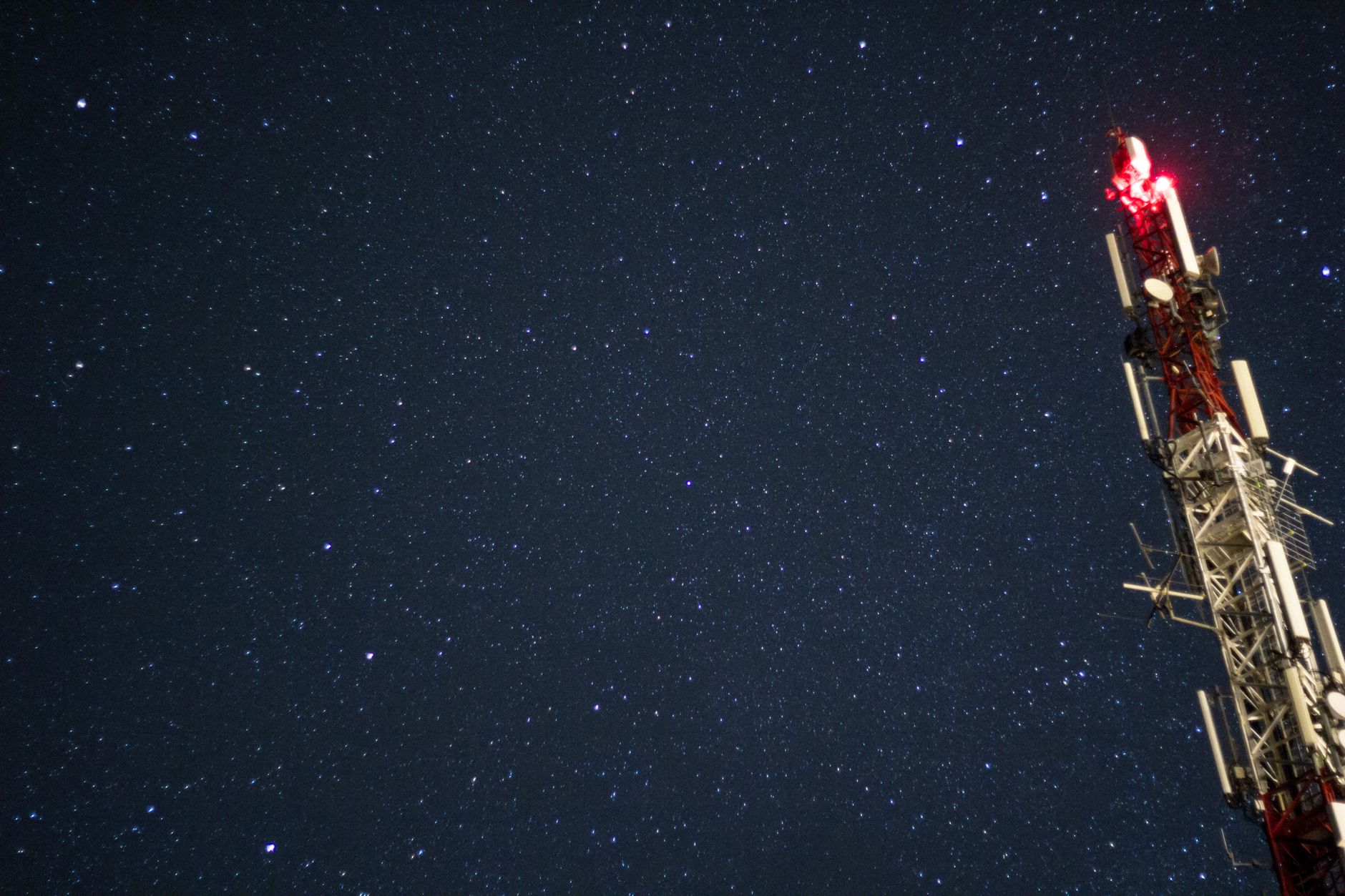
Korean satellite constellation has successfully sent its first images within a day of launch, highlighting the rapid advancements in space technology.
Overview of the Korean satellite constellation
The recent launch of the Korean satellite constellation marks a significant milestone in the nation’s space exploration efforts. Within just a day of its launch, the constellation successfully transmitted its first images back to Earth, demonstrating its advanced capabilities and the potential for future applications.
This innovative satellite system aims to enhance various sectors, including environmental monitoring, disaster management, and agricultural planning. The Korean satellite constellation comprises multiple satellites working in synergy to provide high-resolution imagery and timely data analysis.
Key features of the constellation include:
- High-resolution imaging: The satellites are designed to capture detailed images that can assist in urban planning and land use management.
- Rapid data transmission: The constellation can relay data quickly, ensuring that critical information is available when needed.
- Global coverage: With multiple satellites in orbit, the constellation can monitor vast areas, addressing regional and global challenges.
The successful deployment of the Korean satellite constellation paves the way for enhanced capabilities in space-based observation and analysis.
Significance of the first images
The significance of the first images captured by the Korean satellite constellation cannot be overstated. These initial photographs provide crucial insights into the capabilities and performance of the newly launched satellites. Experts believe that these images will play a vital role in assessing the effectiveness of the satellite constellation in various applications, such as Earth observation and disaster management.
Furthermore, the rapid transmission of these images within a day of launch highlights the operational efficiency of the Korean satellite constellation. This swift data relay is indicative of the advanced technology incorporated into the satellites, which is essential for timely decision-making in critical situations.
Among the notable features of the first images are:
- High-resolution details of urban areas, showcasing the satellites’ imaging capabilities.
- Vivid color representation that aids in environmental monitoring.
- Capability to track changes in land use over time, supporting research and policy-making.
Overall, these images mark a significant milestone in the evolution of the Korean satellite constellation.
Technology behind the satellite
The technology behind the Korean satellite constellation is a remarkable achievement in modern space exploration. Each satellite is equipped with advanced imaging systems designed to capture high-resolution images of the Earth.
These satellites utilize cutting-edge optical sensors that allow for detailed analysis of various landscapes and urban environments. The imaging capabilities include:
- High-resolution imaging: The satellites can capture images with exceptional clarity, enabling detailed observation of geographic features.
- Multi-spectral capabilities: They can acquire data across multiple wavelengths, enhancing the ability to monitor environmental changes.
- Real-time data transmission: The constellation can relay images and data back to Earth almost instantly, which is crucial for timely analysis.
The success of the Korean satellite constellation is attributed to a combination of innovative engineering and advanced software algorithms that process the captured images. This technology not only showcases the country’s capabilities in space but also sets the stage for numerous applications, including disaster management and agricultural monitoring.
Launch details and timeline
The launch of the Korean satellite constellation marked a significant milestone in the nation’s space exploration efforts. The satellites were successfully launched on September 15, 2023, from the Naro Space Center. This mission was part of a broader initiative to enhance Earth observation capabilities and provide timely data for various applications.
Following the launch, the satellites began transmitting data within a remarkably short timeframe. By September 16, 2023, the first images were received, showcasing the constellation’s advanced imaging technology. These images demonstrate the improved resolution and clarity that the Korean satellite constellation can deliver, highlighting its potential for environmental monitoring and disaster management.
The timeline of events surrounding the launch includes:
- Launch Date: September 15, 2023
- First Data Transmission: September 16, 2023
- Initial Image Release: September 17, 2023
These developments underscore the rapid progress of the Korean satellite constellation in providing vital imagery and data to support various sectors.
Future missions planned
The success of the recent launch of the Korean satellite constellation has paved the way for several future missions aimed at enhancing the nation’s capabilities in remote sensing and communication. These upcoming missions are expected to expand the constellation, increasing coverage and improving data quality.
Key objectives for future missions include:
- Deployment of additional satellites: Plans are in place to launch more satellites to create a more robust constellation.
- Enhanced imaging technology: The integration of advanced sensors will allow for higher resolution and more detailed images.
- Collaboration with international partners: Engaging in joint missions to share data and expertise in satellite technology.
- Focus on disaster monitoring: Future satellites will aim to improve response times and accuracy in disaster management scenarios.
As the Korean satellite constellation continues to develop, it holds the promise of transforming various sectors, from agriculture to urban planning, by providing valuable insights and data for decision-makers.
Comparative analysis with other constellations
The recent launch of the Korean satellite constellation marks a significant milestone in satellite technology, allowing for a comparative analysis with other established constellations. Unlike the more mature networks, such as those operated by SpaceX’s Starlink or OneWeb, the Korean satellite constellation is designed to enhance both communication and Earth observation capabilities.
One of the standout features of this constellation is its ability to deliver high-resolution images rapidly. While SpaceX focuses primarily on broadband services, the Korean satellite constellation aims to provide detailed imagery for various applications, including environmental monitoring and urban planning.
In comparing the performance of these systems, it’s evident that the Korean satellite constellation has made impressive strides in a short time. The first images transmitted within a day of launch demonstrate its readiness to compete on a global scale. This speed and efficiency could position Korea as a key player in the growing satellite market, potentially influencing how future constellations are developed and deployed.
Overall, the emerging capabilities of the Korean satellite constellation will likely reshape expectations for satellite performance and functionality.
Public and scientific reactions
The recent deployment of the Korean satellite constellation has sparked significant public and scientific reactions, highlighting its importance in advancing space technology. Many experts have expressed excitement over the clarity and detail of the first images transmitted shortly after launch.
Among the scientific community, there is a palpable enthusiasm for the potential applications of these high-resolution images. Researchers are particularly interested in using the data for environmental monitoring and disaster management. Dr. Lee Sung-min, a prominent space scientist, commented, “The Korean satellite constellation provides us with new opportunities for real-time observations that can greatly enhance our understanding of climate change and urban development.”
Public sentiment has also been overwhelmingly positive. Many citizens have taken to social media to share their awe at the images showcasing the Korean landscape from space. One enthusiastic user tweeted, “The clarity of these images is incredible! Proud to see our technology reach new heights!”
As the Korean satellite constellation continues to operate, the expectations for both its scientific contributions and public engagement remain high.
Conclusion and implications for space exploration
The successful deployment of the Korean satellite constellation marks a significant milestone in the realm of space exploration. The initial images captured and transmitted back to Earth within 24 hours of launch have demonstrated not only the technological capabilities of the constellation but also its potential impact on various fields, such as environmental monitoring, disaster management, and urban planning.
As nations increasingly rely on satellite data for critical decision-making, the implications of the Korean satellite constellation extend far beyond its immediate applications. It highlights a growing trend of investment in space technology and the importance of international collaboration in advancing our understanding of Earth and beyond.
Moreover, these first images serve as a testament to the rigorous engineering and innovative design that have gone into the project. As the constellation evolves and additional satellites are launched, researchers anticipate enhanced resolution and coverage, paving the way for groundbreaking discoveries and advancements in satellite applications.
In conclusion, the Korean satellite constellation is set to play a pivotal role in the future of space exploration and data utilization.
Photo by Axel Bonniot on Pexels